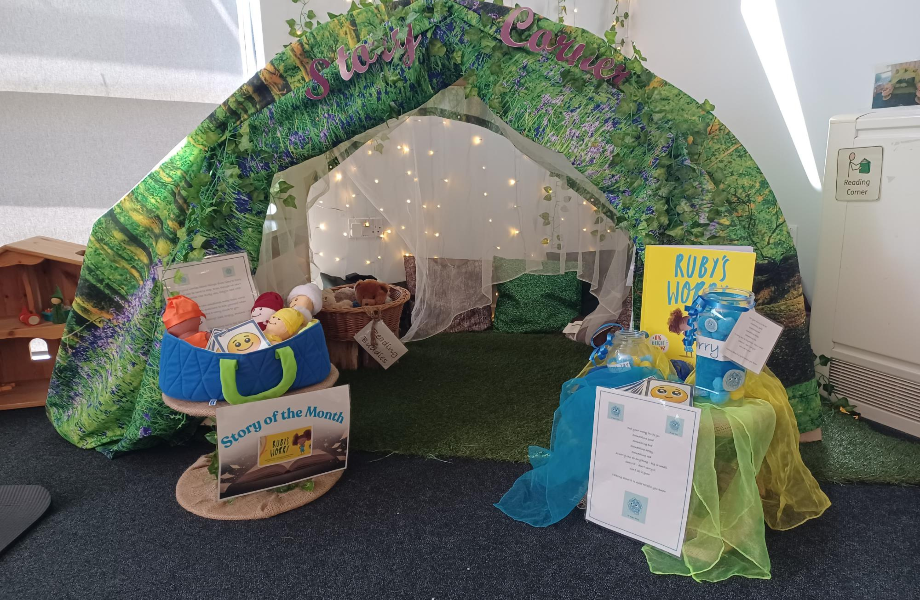
Ruby's Worry is a gentle, reassuring story, and here we share a few simple tips for reading it with your child, along with some activities to help bring the story to life while encouraging little ones to talk about their feelings.
Ruby's Worry is a gentle and reassuring story, and here we share a few tips for how to read the book with your child, along with some simple ideas to help bring the story to life.
Reading tips for Ruby's Worry
Try asking a few simple questions as you go along to encourage conversation, support language skills and help your child explore their feelings:
Can you spot Ruby's worry on each page?
What do you think Ruby is feeling here?
Have you ever felt like Ruby?
What makes your worries feel bigger or smaller?
Who could Ruby talk to about her worry?
Who do you talk to when you have a worry?
Small moments like these help children understand their feelings, build confidence in talking about worries, and create reassuring, shared moments through reading.
Draw your worry - then shrink it!
Ruby's Worry is a story that shows how worries can feel smaller when they're shared.
1️⃣ Ask your child to draw their worry BIG on the first section or page. 2️⃣ On the next section, draw the same worry smaller. 3️⃣ On the last section, draw it tiny. 4️⃣ Talk together: "What helped that worry shrink?" 5️⃣ Add a "helper" picture next to the tiny worry — a hug, a chat, a walk, a favourite toy, or a trusted grown‑up.
Top tip Finish by drawing something that helps your child feel brave or calm — a sunshine, a safe place, or someone they trust!
This gentle activity helps children see that worries can change size, especially when they're talked about.
Try this simple bubble activity
This gentle, playful idea is a lovely way to help children manage big feelings. Ask your child to take a slow breath in, then blow a bubble and imagine putting a worry inside it. Watch it float away... and pop!
It's a calming way to practice breathing, let worries go, and start a conversation about who can help when something feels too much.